Back to blog

What the two Boeing Starliner astronauts will do in space until 2025
Tuesday, July 29, 2025
By:
Howie Chang
Careers
Project Details
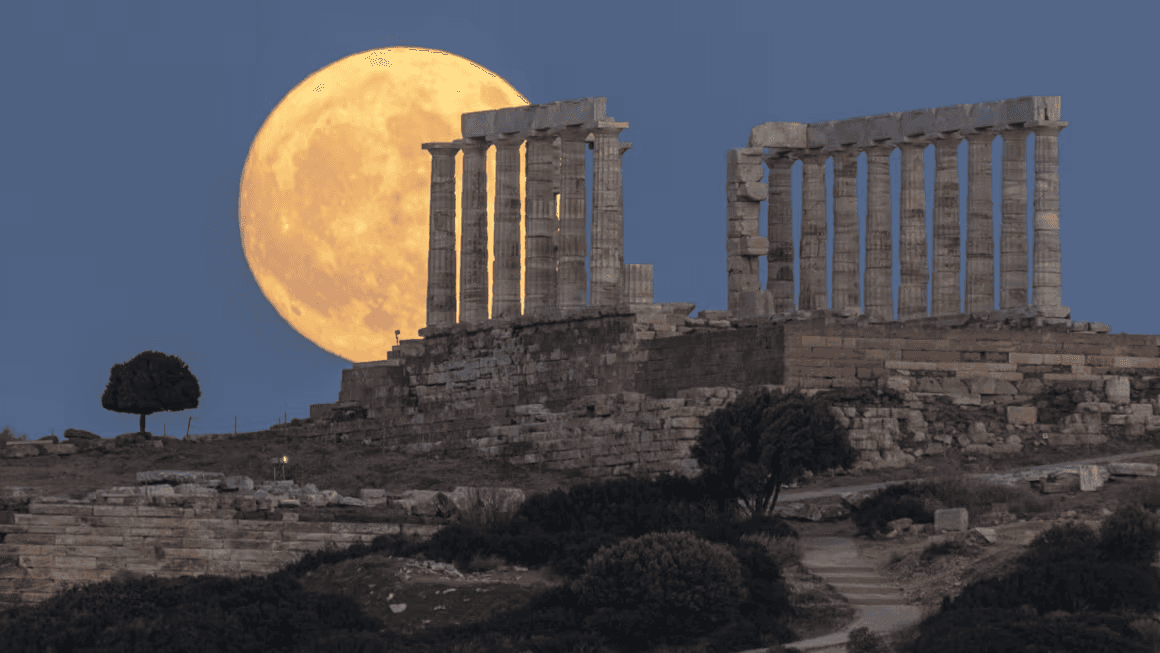
Skygazers can look toward the horizon this week to catch a glimpse of the full moon around its peak illumination.
This month’s full moon, also called the buck moon, will be at its fullest at around 4:37 p.m. ET on Thursday, according to EarthSky. That is, of course, during a time when the moon is below the horizon for people in North America, who can catch their best views of the peak a few hours after sunset, according to The Old Farmer’s Almanac.
“The nice thing about the full moon is it looks full about a day on either side of it, so on the night of the 9th, for instance, if you go out and look at the full moon, it will look effectively full. Similarly, if you miss it on the 10th, the night of the 11th it will also look fairly full,” said Noah Petro, chief of NASA’s Planetary Geology, Geophysics and Geochemistry Laboratory.
Historically, July’s full moon is called the buck moon because it aligns with the time of year where the antlers of male deer, or bucks, are quickly growing, according to The Old Farmer’s Almanac.
Other monikers for July’s full moon from Indigenous tribes are indicative of the summer season. The Cree, located primarily in Canada, know it as the molting moon to indicate the time of year when birds are shedding their feathers, while the Tlingit tribe in the Pacific Northwest Coast call it the salmon moon to signify the seasonal salmon migrations.
Weather permitting, the best place to view the moon will be in an area with an unobstructed view of the eastern horizon, Petro added. It’s also recommended to avoid areas with bright lights.